Category: News

  • David Tamakloe Leads PRINPAG Delegation to New York to Cover 80th UNGA

    David Tamakloe, PRINPAG President


    President of the Private Newspapers and Online News Publishers Association of Ghana (PRINPAG), David Tamakloe, is in New York to cover the 80th United Nations General Assembly (UNGA), which runs from September 23 to 30, 2025. He departed Accra on September 21 to join global leaders, diplomats, and journalists at this high-level gathering.

    Mr. Tamakloe, a seasoned journalist, and governance advocate, will provide in-depth coverage of the Assembly, offering investigative perspectives on critical global issues such as peace and security, climate change, sustainable development, and Africa’s place in shaping the future of multilateralism. He will also feed PRINPAG members with timely and exclusive updates for publication across their platforms, ensuring the Ghanaian public receives accurate reports from the proceedings.

    With more than two decades of professional practice in print, television, and digital media, Mr. Tamakloe has built a reputation as one of Ghana’s leading investigative journalists. His exposés on high-profile corruption scandals, including the controversial “Agyapa Deal” and questionable COVID-19 procurement contracts, have influenced governance reforms and accountability in Ghana. Beyond journalism, he has worked with international bodies such as Transparency International and the Global Integrity Initiative on governance and anti-corruption projects.

    David is the founder of The New Republic Newspaper, co-founder of Whatsup News, and head of DST Global Consult Limited, Amicus Media, and Origin Variety Farms.

    In a statement, PRINPAG’s Executive Secretary, Jeorge Wilson Kingson, described Mr. Tamakloe’s participation as “an opportunity to amplify Ghana and Africa’s perspectives on the global stage,” expressing confidence in his professionalism and commitment to impactful reporting.

    Joining him at UNGA is Mr. Isaac Darko Boamah, Managing Editor of The Metro Lens Newspaper and a prominent PRINPAG member. Accredited to cover the Assembly, Mr. Boamah—who also serves as the Mawerehene of Akyem Adadientam in the Eastern Region—will support the coverage effort by providing timely reports for Ghanaian media.

    Their joint invitation underscores PRINPAG’s commitment to ensuring that the Ghanaian public remains well-informed about key global decisions and discussions shaping international governance.

  • MiDA CEO assigned as Chief Coordinator for Global Grants

    Alex K.M. Mould, CEO of MiDA


    President John Dramani Mahama has formally designated the Millennium Development Authority (MiDA) as the government’s primary focal institution for coordinating philanthropic and grant-based partnerships.

    In a letter dated September 19, 2025, addressed to the Chairperson of MiDA and copied to the Ministers of Finance and Foreign Affairs, President Mahama cited MiDA’s track record of technical excellence, fiduciary discipline, and effective delivery as the basis for the new designation.

    The move is intended to streamline and enhance the country’s engagement with major international philanthropic entities.

    “This designation affirms Government’s confidence in MiDA’s institutional strength,” the letter stated, emphasizing MiDA’s historical success in implementing large-scale development projects such as the Millennium Challenge Corporation (MCC) Compacts.

    The new role empowers MiDA to serve as the central coordinating body for all government engagements with philanthropic partners.

    This includes strategic alignment with national priorities like the Feed Ghana Programme and the Sustainable Development Goals (SDGs).

    As part of its expanded mandate, MiDA will now be responsible for acting as the lead institution for aligning philanthropic efforts with national development goals, managing secured funds grants, and implementing robust procurement systems.

    MiDA’s designation specifically includes, but is not limited to, collaboration with global philanthropic giants such as the Open Society Foundation (OSF), the Bill and Melinda Gates Foundation, the Mastercard Foundation, and other similar entities.

    President Mahama has instructed MiDA to work proactively with the Ministry of Finance, relevant sector ministries, and designated organizations to unlock impactful development financing opportunities for Ghana.

    “We are confident that under your leadership, MiDA will excel in this strategic role,” the President’s letter concluded, expressing optimism about Ghana’s potential to become a trusted global partner in international philanthropy.

    This strategic shift is expected to bolster Ghana’s capacity to attract and manage international grants effectively, ensuring that partnerships deliver measurable, lasting benefits to the Ghanaian people

  • Palestinian Envoy to Ghana finds solace …refuses transfer

    Palestinian Envoy to Ghana finds solace …refuses transfer

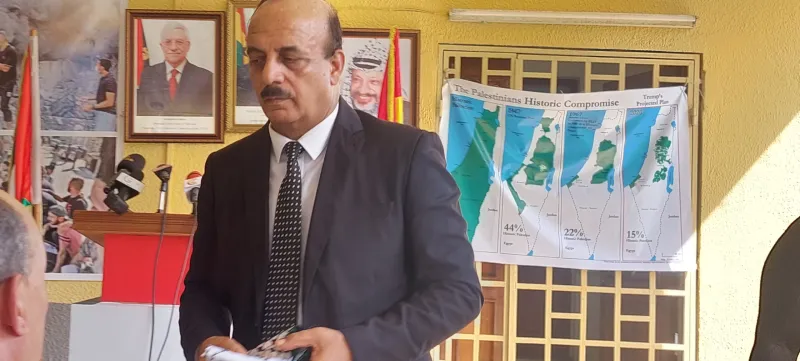
    The Palestinian Ambassador to Ghana, His Excellency Abdulfatah Ahmed Khalil Al Sattari, has expressed deep admiration for Ghana’s peaceful environment and the warm hospitality of its people, revealing that he declined a diplomatic transfer to remain in the country.

    Speaking on Channel One TV’s Upside-Down Show on Sunday, September 21, he described Ghana as a beacon of peace, highlighting the nation’s culture of harmony and the honesty of its citizens.

    He disclosed that after serving six years in Ghana, his home government proposed a transfer to another country, but he respectfully declined the offer not once, but twice.

    “Ghana is a very peaceful country, and the people have the culture of peace,” the ambassador said.

    “Because of that, when my government talked to me about moving to another country after six years, I said, ‘No please, I want to continue. I want to stay in Ghana.’ And they talked with me again ten months ago, and I told them no.”

    He added that his affection for Ghana is rooted not only in the country’s stability, but also in the positive spirit of its people.

    “Ghanaians are honest, and they like to be happy,” he said.


  • DVLA board chair targets significant revenue boost by 2028

    DVLA board chair targets significant revenue boost by 2028

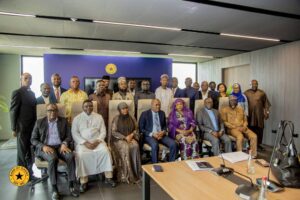
    The Driver and Vehicle Licensing Authority (DVLA) has set an ambitious target to substantially increase its revenue by 2028, as part of efforts to transform operations through digitalisation.

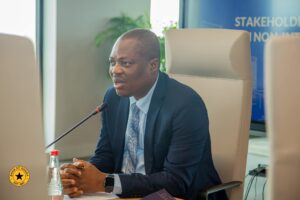
    Speaking at a stakeholder engagement with Margins ID Systems Applications Limited, a subsidiary of Margins ID Group, Board Chairman George Spencer Quaye said: “Our primary objective is to leave behind a legacy where the DVLA is known as a corruption-free office. By plugging loopholes and removing human interference, we can achieve our financial targets while restoring public trust.”

    Mr Quaye emphasised the Authority’s determination to build a transparent and trustworthy institution by eliminating corruption and embracing technology.

    DVLA Chief Executive Officer, Julius Neequaye Kote, reaffirmed the organisation’s commitment to digital transformation and efficiency. “We are excited to announce plans to open new branches across the country soon, which will enhance efficiency and reduce corruption,” he said.

    Margins ID Group CEO, Moses Baiden, also expressed confidence in supporting the DVLA’s transformation agenda. “We are prepared to implement the necessary changes because we are certified and equipped to deliver comprehensive solutions. Policy directives are all we need to move forward,” he said.

    Margins ID Group holds global certifications including ISO/IEC 27001:2022 for Information Security Management, ISO 22301:2019 for Business Continuity Management, and ISO 20000:2018 for Service Management.

    With more than three decades of experience in digitisation, data warehousing, smart card printing, access control management, and digital identity solutions, Margins ID Group and its subsidiaries say they are ready to partner with institutions to advance Sustainable Development Goal (SDG) 16.9, which seeks to provide legal identity for all.

  • Farmers, experts advocate AI adoption to transform animal production in Ghana

    Farmers, experts advocate AI adoption to transform animal production in Ghana

    By Adnan Adams Mohammed

    With the growing use of artificial intelligence (AI), farmers, researchers, and industry leaders have underscored the critical role of the emerging technology in transforming Ghana’s livestock and poultry sectors.

    They are calling for stronger investment in technology, data, and infrastructure to enhance production and competitiveness.

    Poultry and cattle farmers in the country stressed that AI should not be seen as a threat to human labor but as a tool to complement and accelerate farm operations.

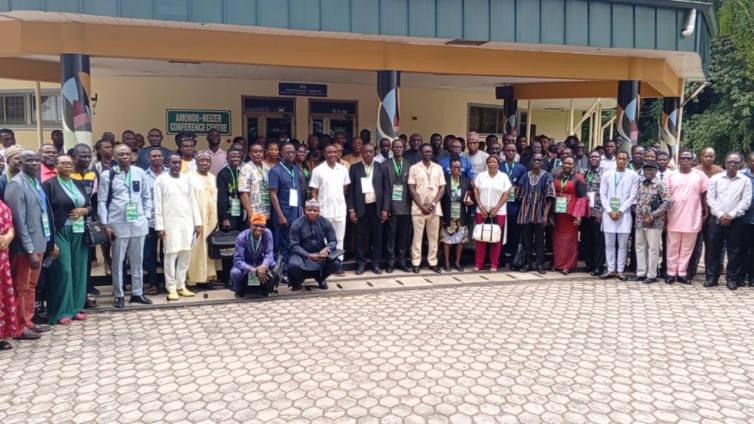
    The third joint workshop of the Ghana Society of Animal Production (GSAP) and Ghana Animal Science Association (GASA) assembled stakeholders in the animal production sector of the country’s agricultural space.

    The event highlighted “the role of animal agriculture in national development in an era of artificial intelligence” and exposed participants to the emerging use of artificial intelligence in bridging shortfalls in the animal production sector.

    Vice Dean of the Faculty of Agriculture at KNUST, Prof Nana Ewusi Mensah, noted that while AI is widely applied in education, finance, and other industries, its potential in agriculture is often overlooked.

    “I don’t define AI as artificial intelligence. I define AI as Africa’s innovation or inspiration. AI has come to stay, and it will help us overcome most of the challenges facing farmers,” he said.

    Prof. Mensah explained that the technology could be adopted in various tasks required in animal production to optimize production and efficiency, alleviating the burden on farmers.

    “From automated feeding systems and robotic milking to data collection on farm performance, he said the technology can optimize production and efficiency,” he noted.

    Vice President of Ghana National Association of Poultry Farmers (GNAP), Borris Baidoo, highlighted the promise of AI in poultry production, particularly in feed management, broiler feeding, and logistics.

    He stressed the need for preparation before adopting new technology, as he explained that poultry production must be properly structured to harness the benefits of AI.

    “We need to organize our systems in a way that AI can fit into whatever we are doing. It has great potential in feed production, broiler feeding, and even packing. But these benefits can only be realized if we first address the internet challenges facing farmers in rural areas,” he said.

    President of the cattle farmers association, Imam Hanah Sonde, echoed similar concerns, emphasizing the urgent need for accurate data collection in the livestock sector.

    He criticized official statistics that underestimate cattle numbers, making it difficult for farmers to access support and investment.

    “Investors and policymakers need credible data. Without it, decisions are flawed, and farmers lose out,” he said.

    He also highlighted the concerns over food safety and veterinary practices, pointing out that weak monitoring of antibiotic use and slaughterhouse standards poses health risks to consumers.

    “We need to know where our meat is coming from, how animals are fed, and whether veterinary protocols are followed. This is about public health as much as it is about productivity,” he noted.

    While these key players highlighted the advantages of AI in transforming the sector, poor internet connectivity, lack of localized data, and inadequate infrastructure remain major barriers.

    Participants urged the government to continue expanding STEM and digital programs, strengthen internet infrastructure in farming communities, and integrate AI tools into agricultural policy.

    They also appealed for closer collaboration between farmers, academia, and policymakers to align strategies and build sustainable technology-driven food systems.

    “The world is not going to wait for Ghana,” Mr. Mensah highlighted.

    “We must organize our production systems so that AI fits into whatever we are doing, not the other way around”.

  • Ghana’s First Lady Calls for Global Action to Protect Children at UNGA 80

    Ghana’s First Lady Calls for Global Action to Protect Children at UNGA 80

    The First Lady of Ghana, H.E. Mrs. Lordina Dramani Mahama, has made a passionate appeal for stronger global commitment to safeguarding children caught in conflict and humanitarian crises.

    Speaking at the 7th Annual Prayer Service for Children, hosted by World Vision International at the Tillman Chapel, United Nations Church Centre in New York, Mrs. Mahama described the gathering as “A Moment of Hope” for the world’s most vulnerable.

    She highlighted the devastating impact of wars and crises on children, noting that hundreds of thousands are trapped in armed conflicts, with many forced into combat and robbed of their childhood.

    Quoting her husband, President John Dramani Mahama, she reminded leaders that “the challenges facing our children today are immense, but they can be tackled through decisive leadership.”

    Mrs. Mahama emphasized the importance of faith, prayer and decisive policies in building a safer world where children are protected and empowered to reach their full potential. She also lifted a special prayer for needy and orphaned children, asking for divine protection, provision and opportunities for their future.

    She concluded by urging leaders worldwide to prioritize policies that safeguard families and nurture youth, stressing that when nations fail children, the cost to humanity is immeasurable.


  • The Sahel bloc withdraws from ICC

    The Sahel bloc withdraws from ICC

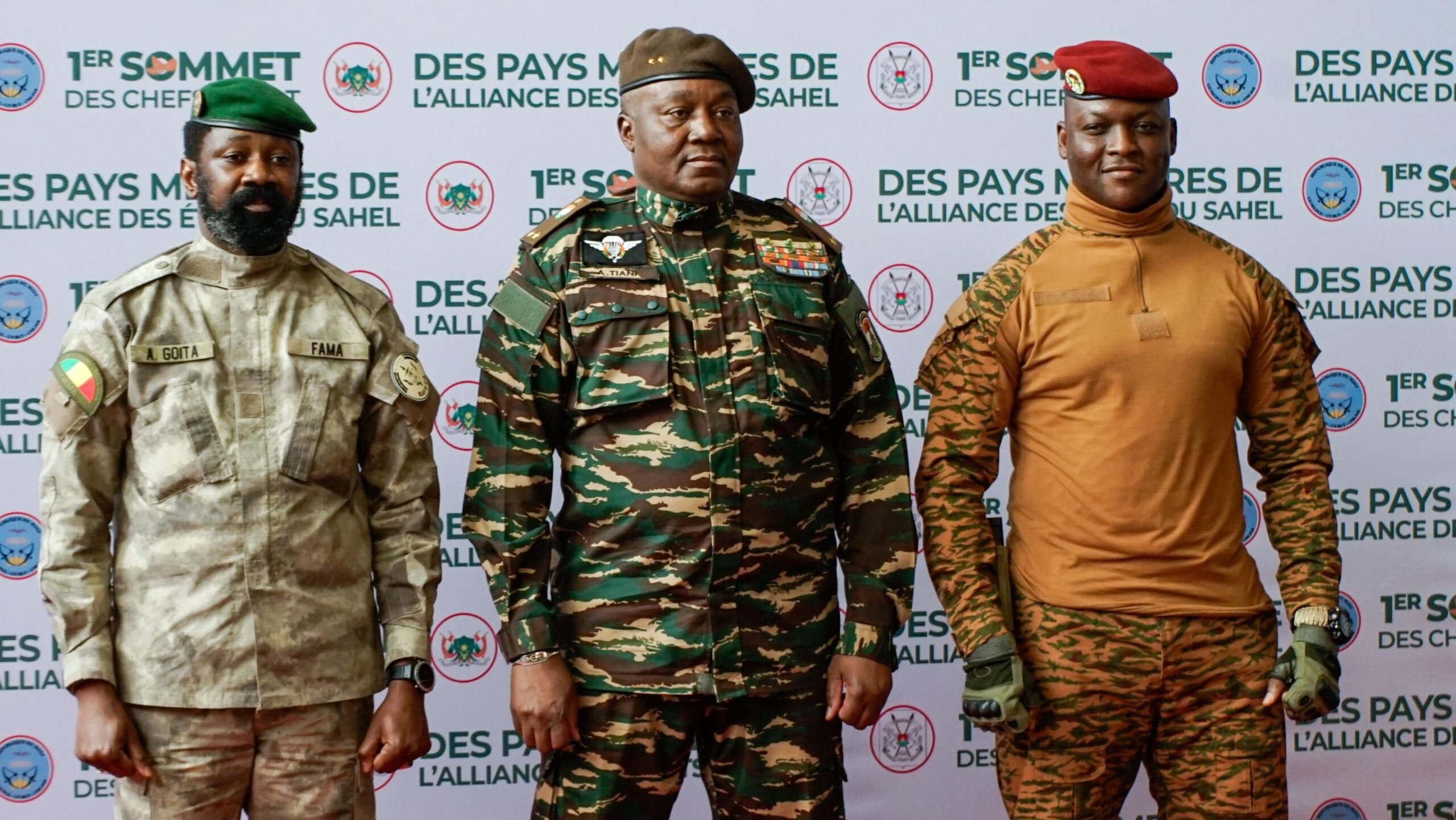
    The break-away Sahel bloc from the West African bloc (Mali, Burkina Faso, and Niger) on Monday, September 22, announced their withdrawal from the International Criminal Court (ICC).

    In a joint statement, the military-led West African states said that the court’s jurisdiction had “transformed into an instrument of neocolonial repression in the hands of imperialism.”

    Because of this, neighboring states accused the ICC of becoming “a global example of selective justice.”

    Juntas say ICC ‘incapable’ of prosecuting war crimes

    “The ICC has proven itself incapable of handling and prosecuting proven war crimes, crimes against humanity, crimes of genocide, and crimes of aggression,” the West African states said.

    The military-led countries have previously used this same argument to justify their withdrawal from the Economic Community of West African States (ECOWAS).

    The three states also stated that they aimed to establish “indigenous mechanisms for the consolidation of peace and justice.”

    The juntas, which toppled the governments in Bamako, Ouagadougou, and Niamey after coups between 2020 and 2023, have since formed a confederation called the Alliance of Sahel States (AES).

    They have actively distanced themselves from the West, notably from former colonial ruler France, and have moved closer towards Russia for military cooperation.

    The West African countries are currently in the grip of deadly violence from jihadist groups linked to Al-Qaeda and the so-called “Islamic State”, but their armies have also been accused of committing crimes against civilians.

    What is the ICC’s jurisdiction?

    The ICC is a permanent international tribunal to prosecute individuals for genocide, crimes against humanity, and war crimes. It is intended to complement existing national judicial systems.

    The court is headquartered in The Hague, and has prosecuted some of the world’s worst crimes, such as genocide, war crimes, and crimes against humanity, since 2002.

    Global powers, the United States, China, and Russia, are not members of the ICC because they have not ratified the Rome Statute, which is the treaty that established the court.

    Israel is also not a member and does not recognize ICC jurisdiction over its nationals or territory.

    Source: AllAfrica.com


  • BoG progresses NIBF engagement …assures of launching a framework by end of 2025 

    Bank of Ghana NIBF Expert Team meets reps of religious groups


    By Adnan Adams Mohammed


    The Bank of Ghana has reiterated commitment to operationalise Non-Interest Banking And Finance (NIBF) in Ghana which do not set stage for religious biases.


    Dr Johnson Asiama, Governor of Bank of Ghana at the MPC press briefing last week, gave a resounding affirmation of launching a framework that will guide the operationalisation of the NIBF in Ghana before end of 2025.


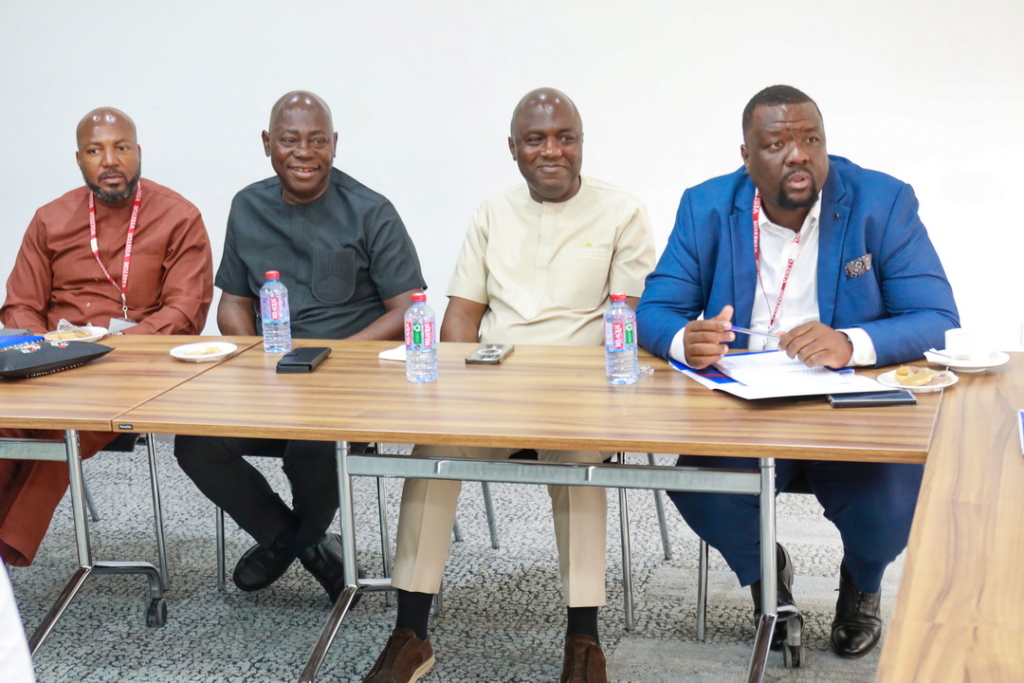
    Critical to achieving a coherent, comprehensive and ‘all onboard’ stakeholders towards the NIBF framework drafting, the Central bank’s expert team led by Professor John Gartchie Gatsi, has embarked on rigorous trainings, stakeholder engagements as well jurisdictional learning tour. The most recent of such engagement is the meeting with representatives of Christian and Muslim leaders at the Bank Square, last week Thursday, September 18, 2025.


    The consultative meeting discussed pertinent topics and modalities towards the development of an ‘inclusive regulatory framework’ for the rollout of NIBF in Ghana. The meeting also discussed international regulatory standards, governance structures, and the establishment of both NIBF windows within conventional banks and fully fledged NIBF institutions.


    Prof. Gatsi emphasised that NIBF would enhance financial inclusion, broaden economic opportunities, and expand consumer choice—ensuring fairness and non-discrimination.


    Leaders of both faith groups expressed appreciation to the Bank for creating space for dialogue and collaboration on this important initiative.


    “The Bank of Ghana remains committed to fostering a financial system that serves all Ghanaians”, Prof Gatsi assured the faith groups on behalf of the Governor.


    It is envisaged that, the NIBF, amid its comprehensive and holistic financing system will focus on more productive results from money as against the conventional financial system which focuses on earning on money, provides secured, guaranteed and highly risk averse sources of funding tailored for specific projects at a time.


    “NIBF is expected to finance big infrastructure projects, improve socio-economic activities, increase economic growth, deepen financial inclusion, and promote risk sharing in financial transactions”, Prof Gatsi has noted.


  • GRIDCo Staff Protest CEO’s Overstayed Retirement


    The Ghana Grid Company (GRIDCo) is witnessing growing unrest due allegations that its Chief Executive Officer, Ing. Mark Awuah Baah, has remained in office despite reaching the statutory retirement age.


    A letter sighted by this paper, dated January 15, 2025, clearly directed Ing. Baah to proceed on compulsory retirement by June 15, 2025, in accordance with Article 12 of GRIDCo’s Conditions of Service.


    The directive instructed him to vacate his post, settle all outstanding obligations, and relinquish the company’s accommodation.


    However, three months after the deadline, the position remains unoccupied.


    The development has sparked agitation among staff, who argue that his continued stay contravenes both GRIDCo’s internal policy and presidential directives on retirement.


    “How can a man who has officially retired still be running this critical state institution? Who is protecting him, and why?” an irate worker queried.


    According to insiders, Ing. Baah’s extended tenure has deepened suspicions that elements of the previous administration remain entrenched in the company’s structures. Some employees allege that backdoor recruitments and contract renewals continue to favour individuals with links to the opposition New Patriotic Party (NPP), further undermining President John Dramani Mahama’s Resetting Agenda.


    Party grassroots have also raised concerns, questioning why a retired CEO, with perceived political ties to the NPP, is still steering a key state utility at the expense of loyal National Democratic Congress (NDC) supporters. “Our youth fought for this government, yet those who should have retired are still signing contracts and making appointments,” one NDC insider lamented.


    GRIDCo’s board has been accused of shielding Ing. Baah from the retirement directive, fueling growing discontent among staff and sections of the ruling party. While open protests remain muted, sources warn that frustrations are boiling beneath the surface.


    With pressure mounting, lingering questions persist: Why has Ing. Baah’s retirement not been enforced, and who is enabling his continued stay in office?

  • Africa Zion writes: Commemorating the 116th Anniversary of Osagyefo Dr. Kwame Nkrumah; A Call for Ideological Reawakening, African Unity, and Global Justice


    1. Today marks the 116th anniversary of the birth of Osagyefo Dr. Kwame Nkrumah, Ghana’s first President, founder of the modern Ghanaian state, and the towering Pan-Africanist who was rightfully celebrated as the African of the Millennium.

    2. His life’s work was dedicated to liberation, unity, and the dignity of all oppressed peoples across the globe.

    3. It is fitting and proper to commend the Government of Ghana under the stellar leadership of H.E John Dramani Mahama, for the reinstatement of this day as founder’s Day, contrary to the revisionist posture of the erstwhile President.

    4. As we reflect on Nkrumah’s legacy, it is urgent to revisit his ideology and infuse it deeply into our educational system. His belief in the power of education as a tool of liberation and development remains timeless. In Consciencism (1964), he wrote: “Practice without thought is blind; thought without practice is empty.” This call for critical, purposeful education resonates today as we seek to build generations grounded in African identity, justice, and collective progress.

    5. On this solemn occasion, we cannot remain silent about the ongoing genocide in Palestine. Nkrumah’s unwavering solidarity with all oppressed people is clear in his declaration: “Freedom is not something that one people can bestow on another as a gift. They claim it as their own and none can keep it from them.” The world must heed this truth and demand an immediate end to the bloodshed, recognizing the inalienable right of the Palestinian people to live in peace and dignity. Palestine must be free.

    6. Above all, Nkrumah’s vision of African unity remains unfinished business. He warned: “The independence of Ghana is meaningless unless it is linked up with the total liberation of Africa.”

    7. Six decades later, Africa remains fragmented, vulnerable to external manipulation, and plagued by disunity. Yet his words still guide us: “It is clear that we must find an African solution to our problems, and that this can only be found in African unity.”

    8. On this anniversary, let us renew our commitment to Nkrumah’s path—educating our youth in his ideology, standing firmly against injustice anywhere, and working tirelessly to achieve the unity of our continent.

    9. Only then can we honor the enduring spirit of Osagyefo Dr. Kwame Nkrumah and fulfill his vision of a free, united, and dignified Africa.

    10. Freedom. Freedom. Freedom.

    Long Live Ghana
    Long Live the Pan African dream of African unity.

    Abdul-Wahab Africa Zion
    Exec Director, Think Africa Foundation
    zionexisted4u@gmail.com