


By Fouziyah Abdul Latiff (Nurse and Health Writer)
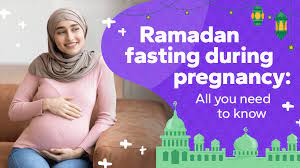
Health practitioner has alarmed of a looming danger and threat to the global agenda of ‘Zero Maternal Mortality’ as some pregnant women are forcing themselves to join the Muslims month of fasting in Ramadan.
A Principal Physician Assistant who double as Monitoring and Evaluation expert in the Savannah Region of Ghana, is worried against the insistence of some pregnant women in the West Gonja municipality to fast against medical advice.
The Physician alarmed that, pregnant women in the municipality are noted for having very low haemoglobin levels that require the intake of a well-balanced diet alongside hematinic to correct their anaemia status. So fasting for a month with such abnormal maternal health conditions is considered as a threat to the quest for zero maternal death in the sub-municipality since mothers at the point of delivery might not have enough energy and strength to push for the baby to be delivered.
“In some cases, some of these women are rushed into the labour ward fasting and no amount of plea from the midwife would convince them to break their fast”, Nuhu Kantamah Abdul Ganiyu lamented during an interview.
”We are calling on all stakeholders especially the health workers and the Imams to assist in educating some of these pregnant women and their husbands against this practice,” he said.
He explained that maternal and child mortality is a public health threat globally. According statistics there were an estimated 830 maternal deaths each day in 2015.
“The majority (99%) of these deaths occur in rural communities of developing countries with more than half of the deaths occurring in sub-Saharan Africa.
“The ratio of maternal mortality in developing countries such as Ghana is 239 per 100,000 live births in 2015. (WHO, 2018),” he said.
“Fasting during the month of Ramadan is the fourth pillar of Islam which is obligatory for every adult Muslim except the sick, pregnant women, nursing mothers, women on their menses and the traveller,” he concluded.
Acoording many research and the Islamic theology fasting while pregnant is not recommended.
During the month of Ramadan, healthy adult Muslims abstain from eating and drinking from sunrise until sunset. This represents a form of intermittent fasting where both the quantity and quality of food eaten are altered. Although pregnant Muslim women are exempt from fasting, evidence suggests that up to 90% partake in Ramadan fasting for at least part of the month, being keen to share the cultural experience with their families.
A systematic review and meta-analysis by a group of research (Jocelyn D. Glazier et al) indicates that, “the estimate of 230 million Muslim women of childbearing age worldwide, with a fertility rate averaging 3.1 children per woman, leads to the potential for up to 535 million babies in each generation to be exposed in utero over Ramadan to a repeated cyclical pattern of maternal intermittent fasting.
“Exposure to a restricted or sub-optimal diet during pregnancy affects fetal development and has life-long health impacts on the offspring. Low birth weight and altered neonatal growth trajectories are associated with an increased risk of cardiovascular disease, diabetes, obesity and impaired cognitive function. Preterm delivery and reduced birth weight are more prevalent in women who eat less frequently while pregnant, suggesting that pregnant women who fast during Ramadan may be more likely to give birth to premature or underweight babies.”
Consequently, although the impact of Ramadan fasting during pregnancy on the health of the child has been investigated, individual studies show conflicting results and sample sizes are often too small to allow evaluation of serious, but infrequent, outcomes. Furthermore, the timing of exposure to maternal fasting during Ramadan may affect the outcome, yet the trimester of fetal exposure to fasting is generally poorly defined in studies. Although fasting could arise at any pregnancy stage, occurrence early in the first trimester seems most likely as the mother may be unaware that she is already pregnant. Fasting during the first trimester has been reported to be associated with reduced birth weight, whereas placental weight, another predictor of health outcomes in offspring, is reportedly lower if the mother fasted during the second or third trimester.
It is therefore better for Muslim women may have to seek advice from health practitioners regarding the safety of Ramadan fasting; however the current information available to pregnant women is contradictory and clear guidance is lacking. Therefore, available evidence regarding associations between Ramadan fasting and pregnancy outcomes needs to be evaluated.
