
Ghana’s 2026 Budget has been welcomed by businesses, but experts are cautioning that it’s just the first step towards real economic reform and job creation.
Deloitte Ghana’s Country Managing Partner, Daniel Kwadwo Owusu, says the scrapping of the Covid-19 levy and VAT reduction to 20% are positive signs, but Ghana is still far from achieving its economic goals.
The professional firm raises concern that Ghana lacks reliable youth unemployment data, and existing programs are too small to make a significant impact, although most young Ghanaians work in the informal sector with low pay, no benefits, and no security.
Juxtaposing that, young entrepreneurs need more than just credit; they need support with export procedures, tax compliance, and market connections.
Government Initiatives:
The 24-Hour Economy initiative aims to create 1.7 million jobs by 2028 through industrial parks and manufacturing zones.
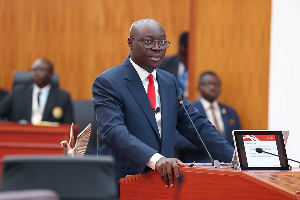
A Member of Parliament Kojo Oppong Nkrumah has admonished the government to prioritize implementation and accountability to turn budget promises into tangible outcomes for Ghana’s youth.
“If this budget really intends to create growth and jobs, they need to be investing in the job creating initiatives… If your revenue doesn’t perform and you don’t invest it in the things that will create jobs, the young people will come for you at the end of the day.”
Translating the budget into reality
At Deloitte’s National Economic Dialogue and Post-Budget Discussions in Accra, Country Managing Partner Daniel Kwadwo Owusu said the budget has been widely welcomed because it reflects what he calls a “responsive” and “listening” approach.
But he stressed that this early goodwill will only last if the government follows through with bold structural changes, noting that, while the direction of policy is positive, Ghana remains at the very beginning of a longer journey.
As he put it, “we are nowhere where we want to get to and therefore we are not at the destination at all… (for) every destination, you start at one step.”
He described the 2026 Budget as that initial step, adding that “this is the good step that the government has taken.” But, he was quick to add that, the real test is whether the budget translates into jobs and productivity at scale.
Mr. Owusu referenced recent scenes of mass job-seeking such as the crowds at El Wak Stadium (seeking recruitment in the Ghana Armed Forces) as evidence of the urgency. He questioned how Ghana will “create employment for all these masses” and “galvanize all this energy into production.”
Feedback from Deloitte’s clients, he said, shows cautious approval, especially following the reduction in some taxes.
He observed that “it appears that the government is listening,” but emphasised that this is only a beginning. What matters now, he argued, is solving “the real problem, real output, delivering employment and delivering what the people are looking for.”
“Business confidence will hinge on consistency and credibility. People respond and react to what the government does. People want to see trust.”
By Adnan Adams Mohammed
